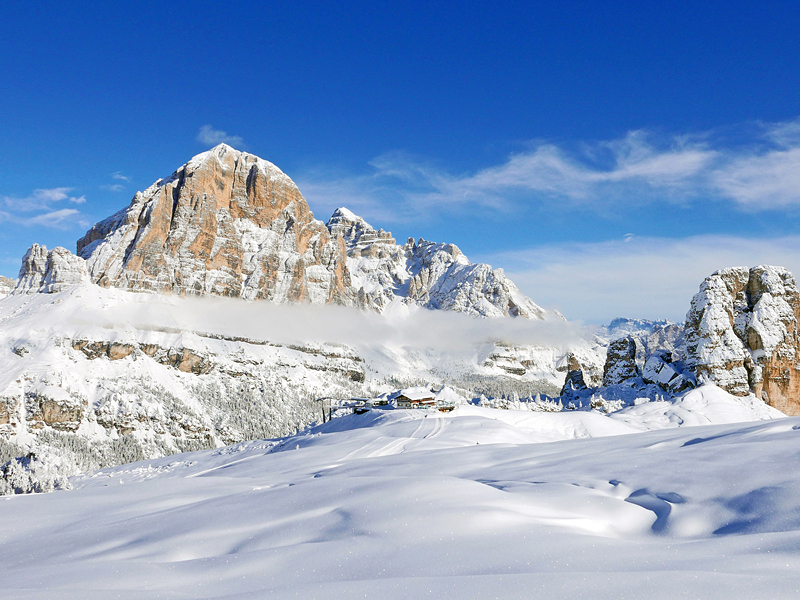
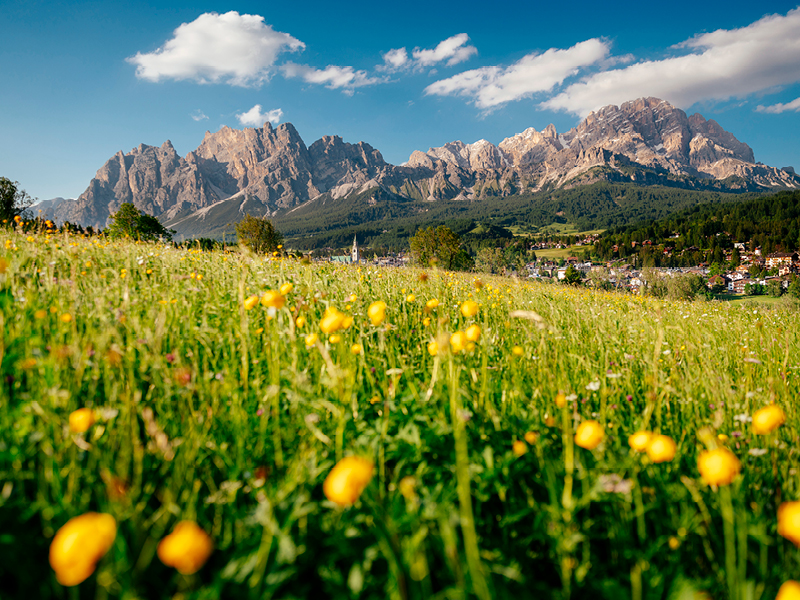
It is better to plan your hikes with a good map. Before starting remember to check weather conditions and organize the route according to your own abilities. You should wear clothing suitable to possible weather or temperature variations that are quite frequent in the mountains. Wear suitable hiking boots and do not leave marked trails.
First of all, hikers must comply with some behaviour rules to respect the environment and Man.
Few suggestions ought to be mentioned to prevent any damage to nature and any accident as specified by the Natural Park Rules and Regulations.
Check weather conditionsbefore attempting a hike, assess your abilities and plan the route accordingly. Do not neglect the importance of clothing, weather can change and temperature can drop considerably in a very short time. Wear comfortable shoes or hiking boots and avoid heeled or leather-soled shoes. Mountain shoes are advisable everywhere.
Keep on numbered trails and walk at a steady foot. Rest from time to time, but do not sit down. If you have to ford a stream, make sure, with the help of a stick, that the rocks you mean to step over do not move.
Pay attention to the danger of falling rocks and do not provoke echo.
Prefer to carry plain drinks only, chocolate and fruit in your backpack; a multipurpose pocketknife a light wind jacket, avoid instead useless objects. Take your litter back home and do not pick flowers, plants, and fruits of the mountains.
Historical paths
The Ancient Routes of the Dolomites are a network of trails where the beauty of the landscape is enriched by the historical interest of the sites.
Two routes are named after World War 1st. The first one runs through the trenches and the Italian artillery posts below the Cinque Torri. The second one winds through the tunnels of the Open air Museum on Piccolo Lagazuoi. The latter bears witness of the incredible war of mines, which was fought here.
The Dinosaurs Route leads to Monte Pelmetto where spectacular dinosaur prints were found. These prints date back 220 million years ago. The Mondeval Man Route leads up to a height of 2000 metres, where a burial site, dating back to 7,000 years ago, was found.
The Iron Route is an ancient trail built to transport iron from the mines to the melting furnaces. The Castle of Andraz is a Medieval fortification, which has recently been repaired.
The Route of the San Marco Lions runs along a wall built in 1752 to solve a dispute on the border between the Republic of Venice - whose symbol were the San Marco lions -and the Habsburg Empire.